


Ceramics Kitchenware
What Is Ceramics Kitchenware
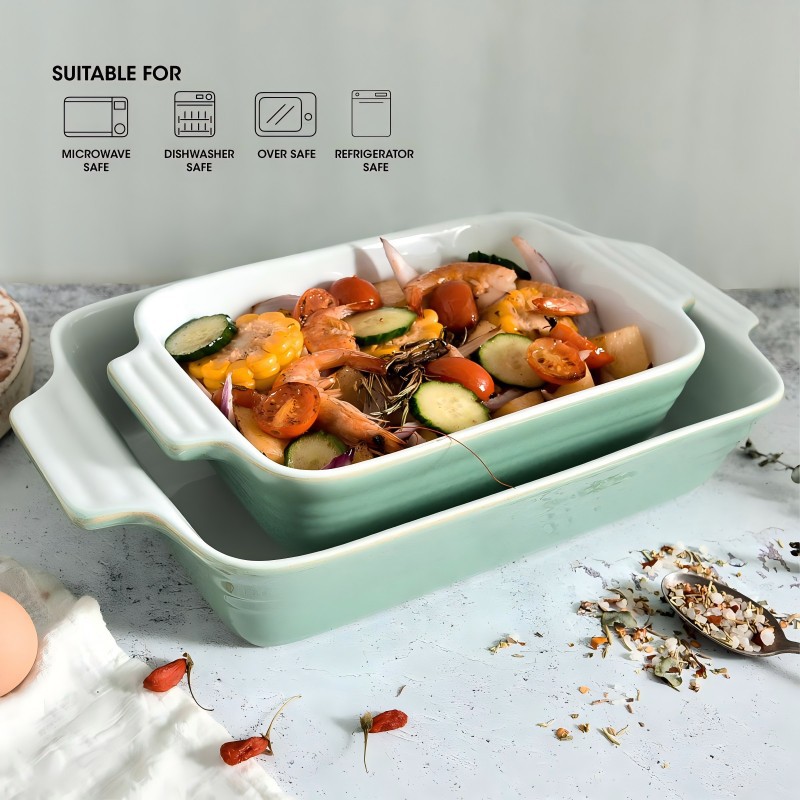
Ceramic kitchenware is made from a base of durable metal and finished with a coating of glazed, kiln-baked clay. The ceramic coating makes these types of pots and pans naturally non-stick, non-toxic, and easy to clean. It’s worth noting that some ceramic kitchenware is made solely from clay, rather than having a metal base. Ceramic pans are safe to transfer from hob to oven — perfect for keeping meals warm, reheating leftovers or topping your dish with a delicious lashing of melted cheese. They are particularly suited to slow-cooked recipes but can be used for a variety of dishes and cooking styles, from stir-frying to baking.
Advantages of Ceramics Kitchenware
Easy to clean
Cleaning ceramic pots and pans is usually nice and simple. Most pieces just require a simple wipe-down with soap and a sponge. The non-stick surface ensures that food residue doesn't cling to the pan, making post-cooking cleanup quick and easy, which is a major plus for busy cooks.
Attractive appearance
Ceramic-coated pans come in a variety of colors and designs, adding a touch of aesthetic appeal to your kitchen. Whether you prefer a sleek, modern look or a more traditional style, there's a ceramic option to match your taste. Plus, their attractive appearance means they can double as serving dishes, going straight from the stove to the table.
Versatile cooking
Pure ceramic kitchenware can be used on quite a few different cooking surfaces, including gas, electric, and induction cooktops. This versatility makes it a practical choice for many kitchens. Some ceramic kitchenware is even oven-safe, allowing for a seamless transition from stovetop to oven --- perfect for recipes that require both cooking methods.
Non-reactive surface
One of the standout features of ceramic kitchenware is its non-reactive surface. This means it doesn't interact with acidic foods like tomatoes, citrus, or vinegar, allowing your dishes to retain their true flavors without any unwanted metallic taste. This makes ceramic an excellent choice for a variety of recipes, especially those involving acidic ingredients.
Non-stick quality
Ceramic kitchenware comes with the wonderful non-stick surface that we all know and love. However, our cookware truly sets it apart from traditional non-stick options out there. All of the items in our cookware set come with a completely natural ceramic coating that provides a slick, non-stick surface for you to cook on. This contrasts with traditional non-stick cookware that achieves their non-stick status through a coating filled with toxic chemicals.
Even heat distribution
Ceramic-coated cookware is known for its ability to distribute heat evenly, preventing hot spots and ensuring consistent cooking. Whether you're simmering a sauce, sautéing vegetables, or frying fish, ceramic kitchenware ensures even cooking throughout.


Why Choose Us
Our factory
We are a professional ceramics manufacturing factory established in 2002, with our own design team and advanced production equipment. Covering an area of 33,000 square meters, our factory independently develops over 200 new designs annually.
Production equipment
Slip casting production line, high-pressure production line, roller pressing production line,four cubic kilns, one bisque tunnel kiln, one decal firing kiln, and two tunnel kilns.
Our certificate
Our product range is extensive, encompassing ceramic tableware, ceramic cookware and bakeware, ceramic decorations, vases, table lamps, and aroma diffusers. The factory has obtained multiple international certifications, including BSCI, GRS, RCS, ISO, UL, CE, and ROHS, ensuring that our product quality and production processes meet the highest standards.
Our service
We are committed to providing high-quality ceramic products and excellent service to meet market demands and continuously drive innovation. Our design team keeps pace with international trends, combining customer feedback and market trends to continuously introduce novel, practical, and aesthetically pleasing ceramic products, earning high recognition and trust from our clients.
Understanding What Ceramic Kitchenware Is Made Of
Ceramic kitchenware is made from — you guessed it — ceramic materials. Ceramic kitchenware is made with kiln-fired clay. Typically, this clay is a type of fireclay, which is highly heat-resistant and doesn't deform or melt at high temperatures. However, not all ceramic kitchenware is the same. For pots and pans, in particular, you'll notice two terms: Ceramic-coated: Most ceramic-coated cookware has a metal core and a thin ceramic coating on top. 100% ceramic: Pure ceramic kitchenware only contains ceramic materials and has no metal core.
You may be familiar with the term ceramic — it's the material that a lot of pottery creations have been made from for thousands of years. You'll find ceramics in a variety of products, including bricks, tiles, plates, watches, cars, and even spaceship tiles and the nose cones of airplanes. These days, the word ceramic appears on cookware, too, as it's now a popular option for cooking due to its safety.
Ceramic materials are inorganic and nonmetallic, which is an incredibly broad classification, but the most common example is clay. An important distinction for ceramics is that manufacturers fire them in kilns at high temperatures, which turns soft ceramic substances into hard, heat-resistant products. Ceramics are not all brittle and delicate — their composition and firing temperature create a variety of ceramic types that range in durability and hardness.
While ceramic kitchenware is made from ceramic materials, the two different kinds of ceramic products contain varying materials. We'll discuss the material differences between these two types of ceramic kitchenware below so that you can make a more informed decision for your next purchase.
Ceramic-coated cookware is the most common type because it's cheaper to produce than pure ceramic kitchenware. Metal core: The metal that forms the base of ceramic-coated cookware is often made from aluminum, but it can also be cast iron or stainless steel, depending on the manufacturer. Ceramic coating: The term "ceramic coating" is actually slightly misleading. While most ceramic coatings do contain ceramic materials, manufacturers also add a type of sand called silica to the ceramic mix. This addition turns the ceramic coating into a smooth, slick surface called a "sol-gel" coating.
Ceramic coatings are not very durable in general. The coating can chip away and wear down over time, causing more sticking. Also, they may not hold up well at high temperatures, so you can't use them on high heat or put them in the dishwasher.
Pure ceramic core: We create our ceramics with fireclay, water, natural minerals and oxides and fire them at 2,500 degrees fahrenheit in a kiln powered by natural gas. The fireclay mix we use contains natural materials, and various inorganic oxides, which allow the clay to withstand incredibly high temperatures. Ceramic glaze: We do not use a ceramic or nonstick coating, as the surface of our ceramic kitchenware naturally becomes nonstick with the use of oil and heat. We use a ceramic glaze to seal and protect our ceramic products. Our 100% ceramic kitchenware is far more durable than ceramic-coated cookware. Pure ceramic kitchenware will not scratch, flake, stain or degrade in high heat, such as on stovetops, campfires, grills, dishwashers, ovens and more. They last a long, long time. Additionally, they're easy to clean and dishwasher-safe. If you'd prefer to handwash your cookware, use warm, soapy water and any nonmetal scour pad, silicone scrub brush or natural fiber scrub brush.
Ceramic Kitchenware You Must Have in Your Kitchen
Ceramic cup
Ceramic cups are made up of various ingredients, like porcelain, stoneware, and many others. It is affordable and easy to use. Ceramic cups are generally used for hot drinks like tea or coffee. But you can also enjoy cold drinks in the ceramic cup.
Ceramic mugs
Ceramic mugs are one of the most prominent pieces of ceramic crockery from many decades. It is a standard way to enjoy tea or coffee. It is used mostly to consume hot drinks, but you can also enjoy cold drinks in this cup.
Handcrafted ceramic plate
Handcrafted ceramic plates are excellent and eye-opening ceramic kitchenware. It is mainly made by hand. There’s no use of factories, machines, and all. You can have dinner and snacks on these types of plates. These types of ceramic kitchen items are easy to clean.
Ceramic teapot
Teapots are an essential part of our daily lives. It is one of the most useful ceramic kitchenware. Because a teapot stores and keeps your tea safe from any unwanted things. And if it can be decorative and impressive to see, then why not? Use a ceramic teapot to give your kitchen an impressive look.
Measuring cups
It is one of the most needed pieces of ceramic kitchenware in your kitchen. You can measure the quantity based on this. It is not always accurate, but you can get an idea.You can use a ceramic measuring cup to analyze the amount.

Ceramic jars
Jars are a basic necessity for ceramic kitchenware sets. It is made from fired clay. Ceramic jars are used to keep dry goods like salt, sugar, etc. It gives your kitchen a finished and attractive look.
Ceramic jugs
The trend toward ceramic kitchenware sets has been going on for thousands of years. Ceramic jugs are a little heavier and longer-lasting. It is used to keep dry goods, serve, and have liquids, and you can also use it for decoration.
Ceramic spoon holder
A ceramic spoon holder is one of the most prominent and useful items of ceramic kitchenware. Because if you don’t use a spoon holder, your spoon will be here and there. So use a ceramic spoon holder to keep your spoon in one place.
Ceramic spatula
A ceramic spatula is the most essential item in your ceramic kitchenware. It is used for various purposes, like flipping the items, scraping to ensure nothing is left in the cookware, and spreading the food. It is easy to wash and durable.
Ceramic glasses
One of the items of ceramic kitchenware is ceramic glasses. It is not made of glasses; it is made of ceramic. It doesn’t allow light to pass; it’s an opaque object. It is used to drink water, cold drinks, etc. It is long-lasting and heavier.
Guide to Choosing Modern Ceramics Kitchenware: Expert Tips
Consider your lifestyle and usage
The first step in choosing modern ceramics kitchenware is to evaluate your lifestyle and usage patterns. Are you looking for everyday dinnerware or a special occasion set? Do you have a busy household with young children, or are you a couple that enjoys hosting dinner parties? Understanding your needs will help determine the durability, size, and design of the tableware you should consider.
Assess the material and manufacturing process
Ceramics kitchenware can be made from various materials such as porcelain, stoneware, or earthenware. Each material has its own characteristics and benefits. Porcelain is elegant and delicate, while stoneware is known for its durability and rustic charm. Earthenware offers a more casual and affordable option. Additionally, consider the manufacturing process.
Evaluate design and aesthetics
Modern ceramics kitchenware comes in a wide range of designs, colors, and patterns. Consider your personal style and the overall aesthetic of your dining space. Choose a design that complements your existing décor or opt for a statement piece that adds a pop of color and personality to your table. Remember, versatile designs can be easily mixed and matched for a more eclectic look.
Examine functionality and practicality
Besides aesthetics, it’s essential to evaluate the functionality and practicality of the tableware. Consider factors such as stackability, microwave and dishwasher compatibility, and ease of handling. Look for tableware that is chip-resistant, as this ensures longevity and durability.
Assess size and proportions
Tableware comes in various sizes, from petite side plates to large dinner plates. Consider your serving style and the types of meals you frequently enjoy. If you tend to serve elaborate dishes, choose larger plates and bowls. However, if you prefer a more minimalist approach, opt for smaller, minimalist pieces. Ensuring the proportions of the tableware match your needs will enhance the overall dining experience.
Seek professional opinions
Don’t hesitate to seek guidance from professionals, such as interior designers or knowledgeable sales associates. They can provide valuable insights and help you find the perfect ceramics kitchenware to suit your style and requirements.
Choosing the right ceramic kitchenware can be a daunting task. But with the right knowledge, you can make sure you get the best ceramic kitchenware for your needs. The first thing to consider is the quality of the ceramic material itself. Look for pieces that are made from high-quality materials and are free of lead and other toxins. Additionally, it’s important to look at how well the cookware conducts heat and how evenly it distributes it throughout the cooking surface. Finally, make sure you read reviews from previous customers so you know what others think about a product before making your purchase. With these tips in mind, you’ll be able to choose the best ceramic kitchenware for your kitchen!
The best ceramic kitchenware is non-toxic, scratch-resistant, and durable. It should have a non-stick coating that won't flake off over time and can handle temperatures of up to 500°f. Look for products that are dishwasher safe as well as easy to clean by hand. While ceramic kitchenware is usually more expensive than other types, it's a worthwhile investment since it can last for years with proper care. When shopping for ceramic kitchenware, look for pieces from trusted brands with good customer reviews.
When it comes to finding the best ceramic kitchenware, there are a few factors to consider. First, you’ll want to think about how easy it is to use and clean. Ceramic kitchenware tends to be very durable and is often dishwasher safe for added convenience. Additionally, ceramic kitchenware is non-stick, so food won’t stick as easily and cleanup will be much simpler. Finally, good quality ceramic kitchenware should also have good thermal conductivity, meaning it will heat up quickly and evenly without hotspots or cold spots in the pan. Ultimately, when choosing your ceramic kitchenware make sure you look for these features as they will help ensure you get the best cooking experience possible!

Top Tips to Protect Your Ceramic Kitchenware
Artisanally crafted ceramic kitchenware is long-lasting, timeless and reliable with the proper care. Keep these tips in mind to get the most out of your cookware:
Warming
Heat your cookware for about five minutes on the lowest setting before adding oil. Ceramic kitchenware takes more time to warm up than metal.
Thawing and temperature changes
Ceramic pans, pots and cookware may be sensitive to sudden temperature changes. Always thaw your food before putting it in your cookware. You should avoid pouring cold water on hot cookware — and placing warm cookware in the fridge or on a chilled surface.
Oiling
Always coat your pan before cooking. You can use avocado, coconut or olive oil or opt for fats, like butter, ghee or tallow.
Cleaning
If your ceramic pot or pan has burned or stuck-on food bits, use dry baking soda and a scouring pad to scrub it clean.
Avoid high temperatures
While ceramic kitchenware can withstand higher temperatures than traditional ptfe nonstick cookware, it’s still best to use low- to medium-heat temperatures. The coating naturally wears over time and the higher the heat, the faster it’ll fade.
Use non-abrasive utensils
Wooden and silicone utensils are always recommended to keep the coating intact. But we also know that things can get hectic in the kitchen. What happens if you grab your metal fish spatula by mistake? Are scratched ceramic pans safe? As long as they’re made without potential toxins, then yes. A scratched surface will just make your ceramic nonstick pan less, well, nonstick.
Hand wash only
To preserve the ceramic coating, hand wash your cookware with warm, soapy water and a soft sponge. Skip the abrasive cleaners and harsh detergents — yes, even when food is really stuck on. You can loosen it by boiling baking soda and water or create a paste from baking soda and white vinegar and let it sit and work its magic.
Store carefully
Never stack heavy items on top of your ceramic-coated cookware. If you do need to place pots and pans on top of each other, slide something soft in between them to act as a protective barrier.
Our factory
We are a professional ceramics manufacturing factory established in 2002, with our own design team and advanced production equipment. Covering an area of 33,000 square meters, our factory independently develops over 200 new designs annually. Our main market is in Europe, and our major clients include renowned brands such as ZARAHOME, CARREFOUR, STELTON, FERM LIVING, SERAX, El Corte Ingles, ALDI, and LIDL. Our product range is extensive, encompassing ceramic tableware, ceramic cookware and bakeware, ceramic decorations, vases, table lamps, and aroma diffusers. The factory has obtained multiple international certifications, including BSCI, GRS, RCS, ISO, UL, CE, and ROHS, ensuring that our product quality and production processes meet the highest standards. We are committed to providing high-quality ceramic products and excellent service to meet market demands and continuously drive innovation. Our design team keeps pace with international trends, combining customer feedback and market trends to continuously introduce novel, practical, and aesthetically pleasing ceramic products, earning high recognition and trust from our clients.

FAQ
As one of the leading ceramics kitchenware manufacturers in China, we warmly welcome you to buy high-grade ceramics kitchenware made in China here from our factory. All handmade ceramics are with high quality and competitive price.